



 14 Oct 2026
 8 min read
Crypto currency is digital value that people can send and receive over computer networks. It can work without a bank processing each transfer, but using it involves new terms, technical choices, and risks. This guide explains the basics—from network transactions and tokens to wallets and common safety concerns—so you can learn at your own pace.
What cryptocurrency means in plain English
Cryptocurrency is a form of digital value that is created, transferred, or tracked using cryptographic systems. In many cases, transactions are recorded on a blockchain: a shared digital record maintained across a network of computers.
Unlike U.S. dollars issued by the government, most cryptocurrencies are not money issued by a central bank. They also are not simply balances held in a bank account. A bank records its customers’ account balances in its own systems; a cryptocurrency network records transactions according to that network’s rules.
The word “cryptocurrency” is often shortened to “crypto.” People may use crypto to refer to a particular digital asset, such as Bitcoin, or to the broader ecosystem of networks, assets, and applications. The term does not mean that every crypto asset works the same way or has the same purpose.
A few basics help clarify what you may encounter:
- A blockchain is a shared record of transactions maintained by a network.
- A network is the connected system of computers that follows a cryptocurrency’s rules.
- A transaction is an instruction to transfer an asset or interact with a network.
- A wallet is software or a device that manages the keys used to access and authorize activity involving digital assets.
Those terms describe how a system works; they do not tell you whether an asset is useful, safe, or suitable for you. Crypto assets can differ substantially in how they are created, governed, and used. For a broader starting point, explore our beginner crypto guides.
How crypto currency transactions move across a network
A crypto transaction is an instruction sent to a network. For example, someone might use a wallet to request that a certain amount of a digital asset be transferred to another address. An address is a destination identifier on a particular network, somewhat like an account destination—but it is not necessarily linked to a person’s name.
Here is the general process:
- The sender enters the recipient’s address and the amount to transfer.
- The wallet uses a private key to authorize the transaction. A private key is secret information that proves control over an address.
- The transaction is shared with computers on the network.
- Network participants check whether it follows the rules, such as whether the sender has the funds and the authorization is valid.
- The network uses a consensus process to agree on which valid transactions to record.
- The transaction is added to the blockchain, and the recipient’s balance is updated according to the network’s records.
Consensus means the method a network uses to agree on the state of its record. Different networks can use different methods and procedures. Some rely on miners, while others use validators; these are network participants that help check or record transactions under the system’s rules.
A transaction may not appear as complete immediately. Networks can take time to process activity, and an app or service may show a pending status while it waits for confirmation. The exact steps, terminology, fees, and confirmation behavior vary by network and service.
Before sending crypto, check that the recipient address is correct and that it belongs to the same network as the asset you are sending. Addresses can be long and difficult to inspect, so compare the beginning and end carefully and use a trusted copy-and-paste method. Some malicious software can replace a copied address with a different one. A small test transfer may help reduce the amount at risk when you are unfamiliar with a process, though it does not remove all risk.
To learn more about how we approach beginner-friendly explanations, visit About Us.
Coins, tokens and what they can be used for
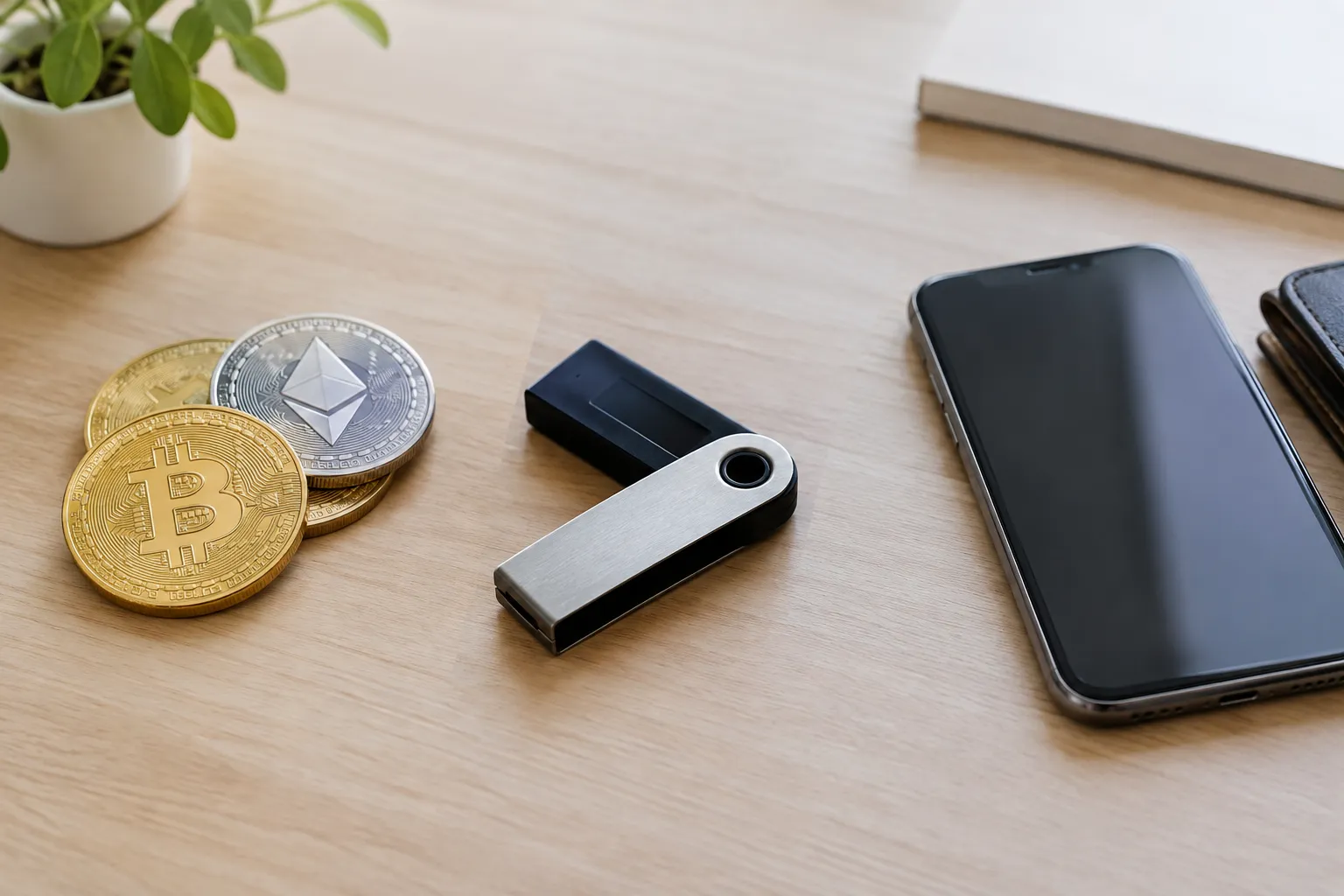
“Coin” and “token” are often used informally, but they can describe different things.
A coin is generally the native asset of its own blockchain. It may be used to pay transaction fees on that network or to transfer value, depending on the network’s design. A token is generally an asset created on an existing blockchain. It may represent access to a service, a digital item, or another kind of value or right. The term “token” alone does not guarantee that it has a particular function or backing.
Common uses include:
- Transferring value between addresses.
- Paying network fees, where the network requires it.
- Accessing features or services in a digital application.
- Representing digital items or other assets in certain systems.
- Participating in some decentralized finance applications.
Decentralized finance, or DeFi, refers to financial-style services built using blockchain-based applications and smart contracts. A smart contract is software on a blockchain that carries out instructions when specified conditions are met. These systems introduce their own technical and financial risks; the label “decentralized” does not mean an application is risk-free or that there is no organization involved.
A token’s purpose, rules, and risks depend on its specific network and design. Before interacting with one, check which blockchain it uses, what the project says the token is for, and whether the app or wallet you use supports that network. Our blockchain and digital asset learning resources can help you explore related concepts.
How crypto wallets connect you to digital assets
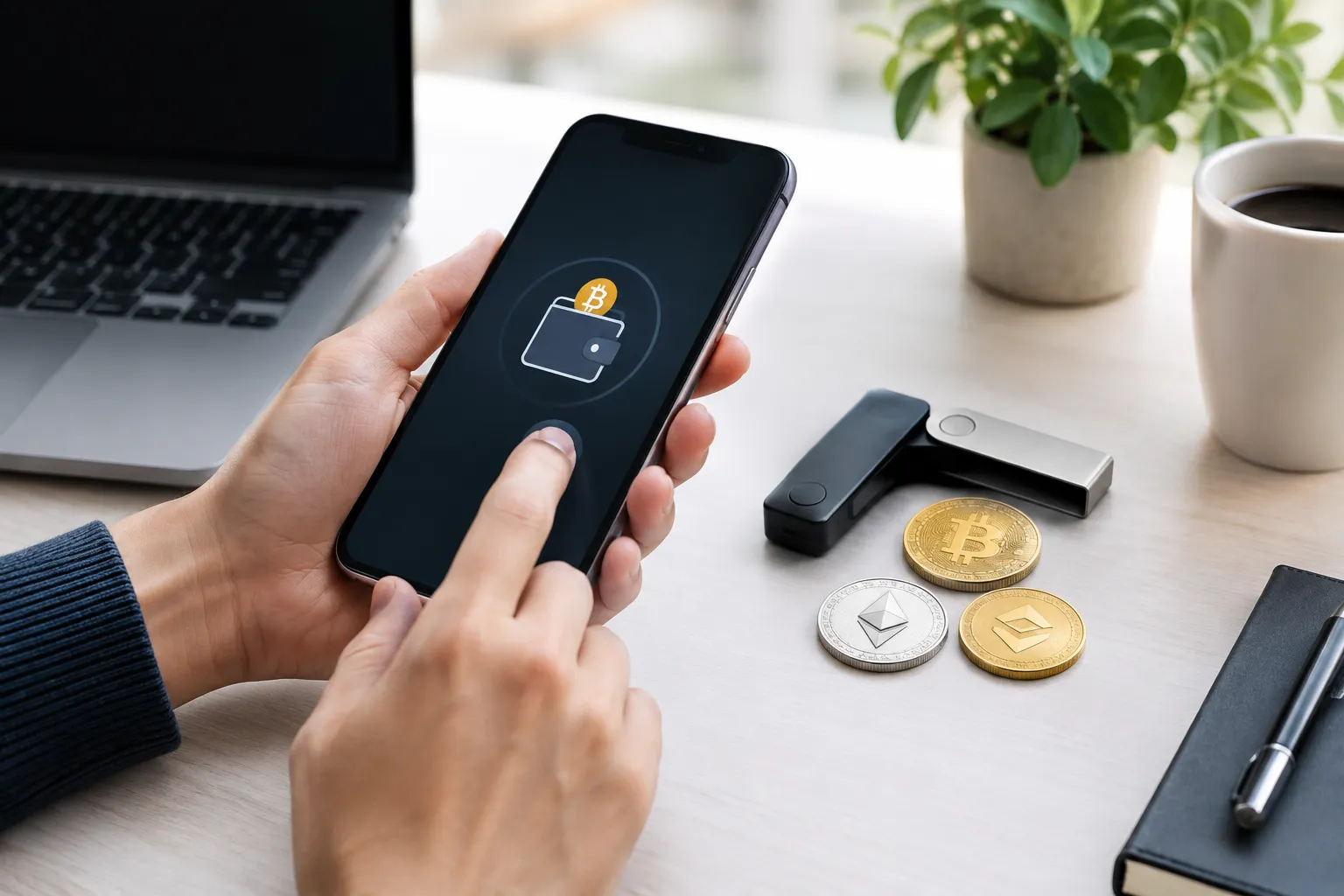
A crypto wallet does not usually store coins inside it like a physical wallet holds cash. Instead, it manages the keys that let you access assets recorded on a blockchain and authorize transactions. The blockchain maintains the record; the wallet provides an interface for interacting with it.
A public address can be shared so someone can send assets to it. A private key must remain secret because it can authorize activity. Many wallets represent the private keys through a seed phrase: a sequence of words used to restore wallet access. Anyone who obtains a seed phrase may be able to control the assets associated with it.
Wallets generally fall into two broad categories:
| Wallet type | How it works | Practical consideration |
|---|---|---|
| Software wallet | Runs through an app, browser extension, or other software interface | Convenient to access, but the device and account need careful security |
| Hardware wallet | Uses a separate physical device to help manage or authorize keys | Requires safe handling of both the device and its recovery information |
A wallet can also be described as custodial or self-custody. With a custodial service, another organization manages the keys on your behalf. With self-custody, you control the keys and are responsible for keeping them secure and maintaining access. That control brings responsibility: if you lose the recovery information, access may be difficult or impossible to restore.
If you are setting up a wallet, take it slowly:
- Check that you are using the wallet provider’s genuine app or official setup instructions.
- Create the wallet in a private setting and follow its recovery-phrase instructions.
- Write the seed phrase down and store it somewhere secure and offline, following the wallet’s guidance.
- Never share the seed phrase with anyone or enter it into a website or message because someone asked you to.
- Before sending assets, confirm that the wallet supports the asset’s network and verify the destination address.
The details differ by wallet and network, so follow the provider’s current documentation. A wallet should never require you to reveal your seed phrase to customer support.
Risks to understand before using cryptocurrency
Understanding how a transaction works is only part of learning about crypto. It is also important to understand what can go wrong.
- Prices can change sharply. Crypto asset values may rise or fall, and there is no guarantee an asset can be sold at a particular price or time.
- Scams can imitate legitimate services. Be cautious of unsolicited messages, urgent demands, promises of guaranteed returns, and requests for passwords, private keys, or seed phrases.
- Transfers may be difficult to undo. If you send funds to the wrong address or network, there may be no central authority able to reverse the transaction.
- Technical mistakes can cause loss of access or funds. For example, losing a seed phrase or misunderstanding a network requirement can create problems that are hard to fix.
- Rules and protections vary. Legal and regulatory treatment can differ by location, service, and type of activity, and can change over time.
Educational information can help explain these risks, but it cannot determine what is right for your personal finances. This guide is not investment advice. If you need guidance about your own financial, tax, or legal situation, consult a qualified professional.
A cautious approach starts with learning before acting. Verify app and website addresses independently, use strong account security, and do not send money because someone pressures you to act quickly. Be especially wary of anyone who claims they can recover lost crypto in exchange for an upfront payment.
Crypto currency FAQs
What is crypto in money?
Crypto is digital value recorded or transferred through a cryptocurrency network, rather than money issued by a government or a balance maintained by a bank. Its use and value depend on the particular asset and network.
What is the best crypto asset to buy for a beginner?
There is no single best crypto asset for every beginner, and no asset is guaranteed to gain value. Learn how an asset and its network work, and consider the risks before making any financial decision.
Why do cryptocurrency prices change so much?
Cryptocurrency prices change as buyers and sellers respond to factors such as demand, news, liquidity, and changing expectations. Prices can move quickly, and past performance does not predict future results.
Can you convert cryptocurrency into cash?
Sometimes, crypto can be exchanged for government-issued currency through a service that supports the asset and withdrawal method. Availability, fees, timing, and requirements vary by provider and location.
Are cryptocurrency transactions anonymous?
Most public-blockchain transactions are traceable through addresses and transaction records, but an address does not automatically display its owner’s name. Services and other information may sometimes connect an address to an identity.
Can a cryptocurrency transaction be reversed?
Usually, a confirmed cryptocurrency transaction cannot simply be reversed by a bank or network administrator. If you sent funds to the wrong address, contact the service involved promptly, but recovery is not guaranteed.
Do you have to pay taxes on cryptocurrency?
Tax treatment depends on your location and what you do with the asset, such as selling or using it. In the United States, check current IRS guidance or consult a qualified tax professional about your circumstances.
How does cryptocurrency mining work?
Mining is a process used by some blockchain networks in which participants use computing resources to help validate transactions and add blocks. Other networks use different methods, such as proof of stake.
Start learning about crypto at your own pace
You do not need to understand every blockchain detail before you can learn the basics. Start by distinguishing an asset from the network it uses, then learn how transactions are authorized and recorded. If you explore wallets, understand the difference between custodial access and self-custody before moving assets.
When you are ready to try a new process, read the relevant network or wallet instructions, verify addresses and network details, and pause if anything feels unclear or pressured. Crypto systems and service procedures can change, so check current information before taking action.
Maya Bennett is a financial education writer and editor who covers cryptocurrency, blockchain, and digital assets. She brings several years of experience explaining topics such as Bitcoin, Ethereum, and wallet security in practical terms for readers new to crypto. Her guides use clear explanations and careful sourcing, with balanced coverage of both potential uses and risks. She helps readers build a solid foundation without needing a technical background.