
What are the benefits of using crypto? Depending on the cryptocurrency and your needs, it can enable direct digital transfers, access to blockchain-based services, or participation in systems that operate without a traditional central intermediary. cryptoconceptguide’s Cryptocurrency Basics offering is designed to help beginners understand these options and their tradeoffs before deciding whether to learn more or use crypto.
What are the benefits of using crypto: what it means in practice
Crypto can be useful when you want to transfer digital value, interact with blockchain services, or hold an asset in a wallet you control. Those uses are not the same, and none makes cryptocurrency necessary or suitable for everyone.
Cryptocurrency is a digital asset recorded and transferred using a blockchain, a ledger shared across a network of computers. To understand what cryptocurrency is and how it works, start with three pieces: the asset, the network that records it, and the wallet software or hardware used to manage access to it. A wallet does not usually store coins like a physical purse; it helps manage the keys used to access assets recorded on a blockchain.
Coins and tokens are both crypto assets, but they can have different roles. A coin is generally associated with its own blockchain, while a token is issued using an existing blockchain’s rules. For example, Ethereum supports tokens that follow the ERC-20 standard. The ERC-20 specification describes a common interface and basic functions for these tokens.
An exchange is a service where users may buy, sell, or exchange crypto. Using an exchange is different from holding assets in a wallet you control, and both differ from using a crypto service such as a lending or token-trading application. Understanding those distinctions is a useful part of the basics about cryptocurrency—and a better starting point than assuming every crypto asset or service works the same way.
What are the benefits of using crypto: the key factors
Potential benefits depend on the network, asset, service, and task. A feature that helps with one use, such as accessing a blockchain application, may not matter for another, such as making an everyday payment.
The core problem to understand
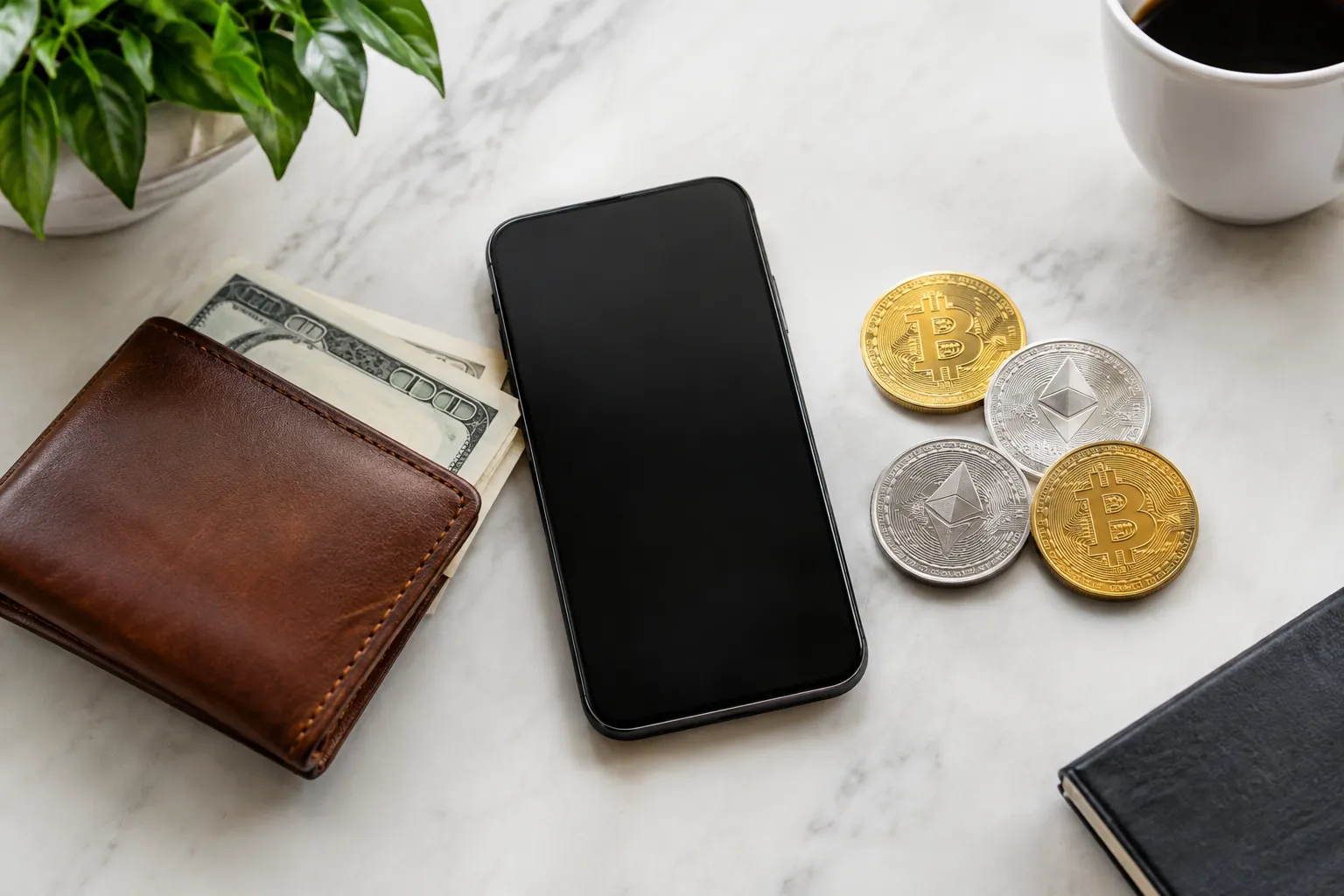
The central question is what crypto lets you do that meets a real need. A person might use a digital asset to send value to another compatible wallet, explore a service built on a blockchain, or learn how a decentralized network processes transactions. These are possible uses, not reasons everyone should acquire crypto.
A blockchain records transactions according to rules followed by its network. In a decentralized system, computers on the network use a consensus process to agree on the ledger’s state. This can allow transactions to be recorded without one organization maintaining the entire ledger. The NIST overview of blockchain technology explains distributed ledgers, consensus, and cryptography.
The network also shapes what an asset can do. A token issued on one blockchain may not be usable on another without a compatible bridge or other supported method. A payment or application may require a particular asset and network, so “sending crypto” is not enough information to choose the right destination. The network and asset must match what the recipient or service supports.
The practical decision criteria

For crypto beginners, it helps to compare a potential use against the task rather than against claims about crypto in general:
| Potential use | What it may offer | What to check |
|---|---|---|
| Sending digital value | A way to transfer an asset using a blockchain network | Whether the recipient supports the asset and network, and what fees or processing conditions apply |
| Holding an asset | Wallet access to digital assets recorded on a blockchain | Who controls the keys, how access is backed up, and what happens if it is lost |
| Using a blockchain service | Access to an application that interacts with crypto assets | Which network and asset it requires, and what permissions or risks are involved |
| Learning how networks work | A practical way to understand wallets, transactions, and blockchain rules | Whether you can learn without risking funds you cannot afford to lose |
Some decentralized finance (DeFi) services use smart contracts—software that runs on a blockchain according to its code. DeFi applications may support activities such as lending, borrowing, token trading, and automated payments. These functions can make blockchain-based services accessible through compatible tools, but interacting with them may involve additional technical steps and risks. See the Ethereum guide to DeFi services for an overview.
Before choosing a use, ask: What task am I trying to complete? Which asset and network does it require? Who controls the wallet keys? What fees, delays, or risks could affect the transaction? If the answer is unclear, pause and learn more rather than treating unfamiliarity as a reason to act quickly.
Common mistakes to avoid

A common mistake is treating a crypto wallet, an exchange account, and a blockchain service as interchangeable. An exchange account may hold assets on a customer’s behalf, while self-custody means you control the keys that authorize transactions. A seed phrase is a set of words that can help restore access to a self-custody wallet; anyone who obtains it may be able to access the assets. Keep it private, and do not enter it in response to an unsolicited message or request.
Another mistake is assuming a transaction can be canceled if something goes wrong. Crypto transfers are generally difficult or impossible to reverse once processed. The Federal Trade Commission’s guidance on cryptocurrency and scams explains this risk and describes common scam tactics. Check the recipient address and network carefully before confirming a transfer; a familiar name or logo does not prove that a message, website, or recipient is genuine.
Price movement is another consideration. A crypto asset’s value can change, so an amount that seems affordable at one moment may be worth more or less later. That can make an asset unsuitable for money you need for routine expenses or near-term obligations. Also distinguish using a service from investing in an asset: an application’s function does not establish that its associated token will keep its value.
Scams often rely on pressure, promises of guaranteed returns, impersonation, or requests for secret wallet information. Be cautious of unsolicited offers and never share a password or seed phrase to “verify” a wallet. The FTC also warns that cryptocurrency payments often lack the protections people may expect from other payment methods. Slow down, verify claims independently, and avoid sending funds because someone is rushing you.
What are the benefits of using crypto in practice: how to apply it
To apply the potential benefits safely, start with a specific task and trace what it requires before choosing an asset, wallet, or service. The task determines which details matter.
- Define the task. Decide whether you want to understand how crypto works, transfer an asset, or explore a blockchain application. “Get into crypto” is too vague to guide a safe choice.
- Identify the required asset and network. Check the receiving wallet or service’s instructions. A correct-looking address on an unsupported network may not complete the task you intended.
- Compare custody options. With a hosted account, a service manages wallet access; with self-custody, you manage the keys. Consider whether you understand the backup and recovery responsibilities before choosing.
- Review transaction details. Confirm the recipient, asset, network, and any displayed fee before approving. For Ethereum, transactions are initiated and signed before the network processes them; the Ethereum transaction guide explains that process.
- Learn the service’s permissions before connecting a wallet. A DeFi application may ask for permission to interact with tokens. Understand what you are approving, use only the service and network you intended, and stop if the request is unclear.
- Start by learning, not by assuming you need to buy. You can study wallet types, networks, and transaction steps before deciding whether using crypto fits your needs.
For most people, it is sensible to avoid using money needed for essentials or near-term expenses to explore a volatile asset or unfamiliar service. This is general educational information, not personalized financial or tax advice; consult a qualified professional about your own financial or tax situation.
Recommended next steps
A careful next step is to choose one real question to investigate, then verify the relevant network, wallet, and risks before taking action. You do not need to buy crypto to learn its basic mechanics.
- Write down the task you want crypto to solve, such as understanding a wallet or learning how a blockchain transfer works.
- Learn the difference between a coin, a token, a blockchain, an exchange, and a wallet before comparing services.
- Check which asset and network a recipient or application supports, and read its transaction instructions before connecting or sending anything.
- Decide whether you can manage the custody responsibilities, including protecting a seed phrase if you choose self-custody.
- Pause if a request involves urgency, guaranteed returns, an unsolicited message, or sharing your wallet’s secret recovery information.
- Continue with beginner-focused education if the concepts or risks are still unclear; decide whether to use crypto only after you understand what the specific task requires.