


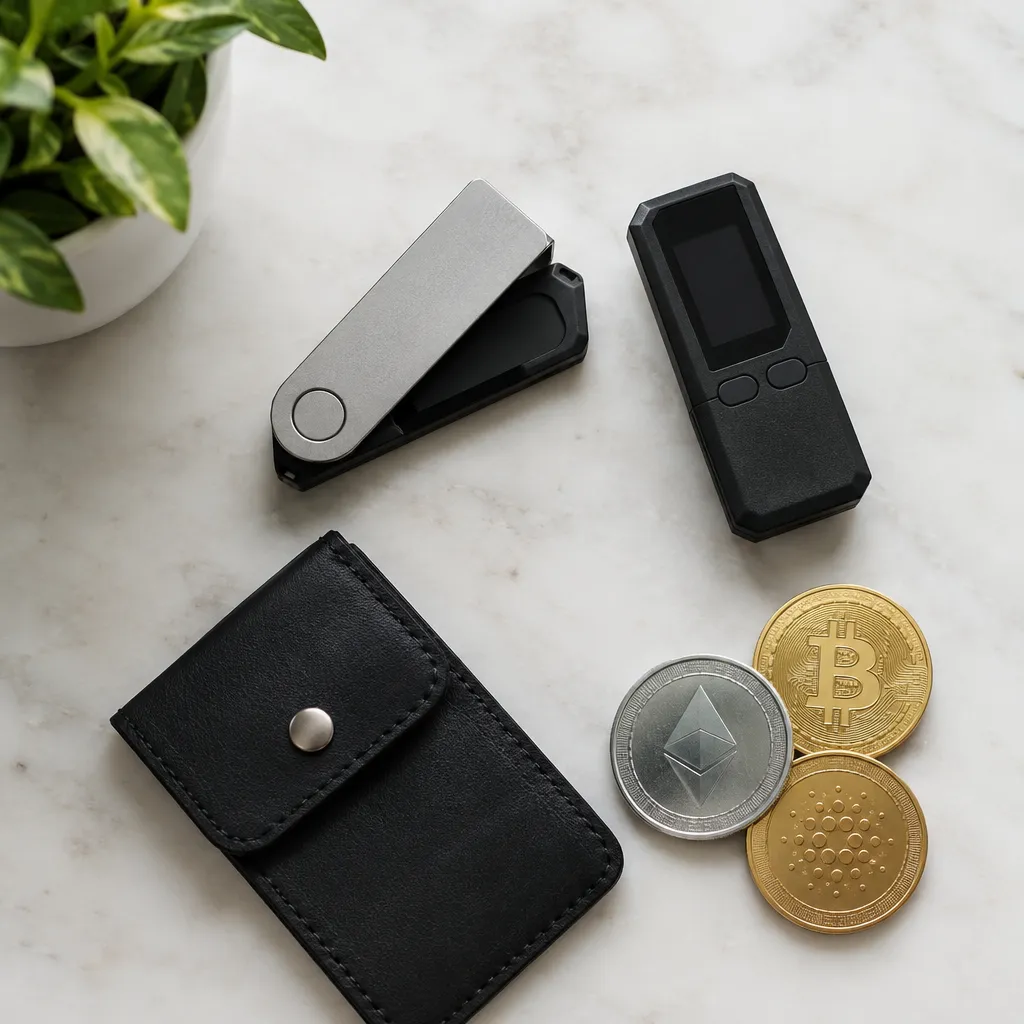
1. Hardware wallets for long-term self-custody
A hardware wallet may suit someone who wants to keep private keys offline between transactions. That can reduce exposure to some online threats, but it does not remove the need to protect the device and its recovery backup. Compare supported assets, setup steps, recovery instructions, and the full purchase and transaction costs. Start with our crypto learning guides if wallet terminology is new.
2. Mobile wallets for frequent everyday transactions
A mobile wallet can make regular sending and receiving convenient, but phone access also makes device security and recovery important. Check whether the wallet is custodial, which assets and networks it supports, how you restore access, and what transaction fees may apply. For a fuller explanation of wallet categories and tradeoffs, see our guide to crypto wallet types.
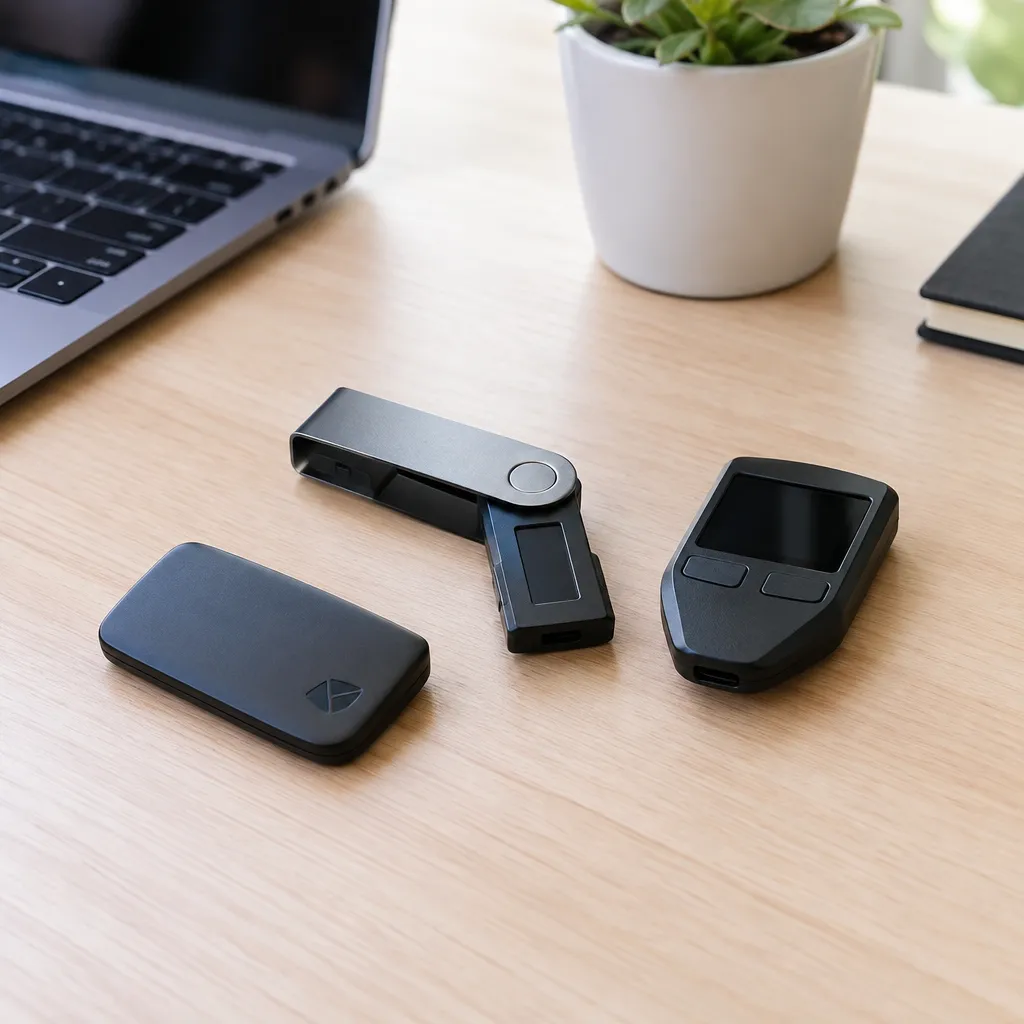
3. Browser wallets for decentralized apps and Web3
A browser wallet is designed to connect with decentralized applications, including some DeFi services. Before approving a connection or transaction, check the permissions requested, the network shown, and the details on the signing screen. Never enter a seed phrase into a site that asks for it to connect a wallet. Learn the basics of cryptocurrency before interacting with unfamiliar apps.
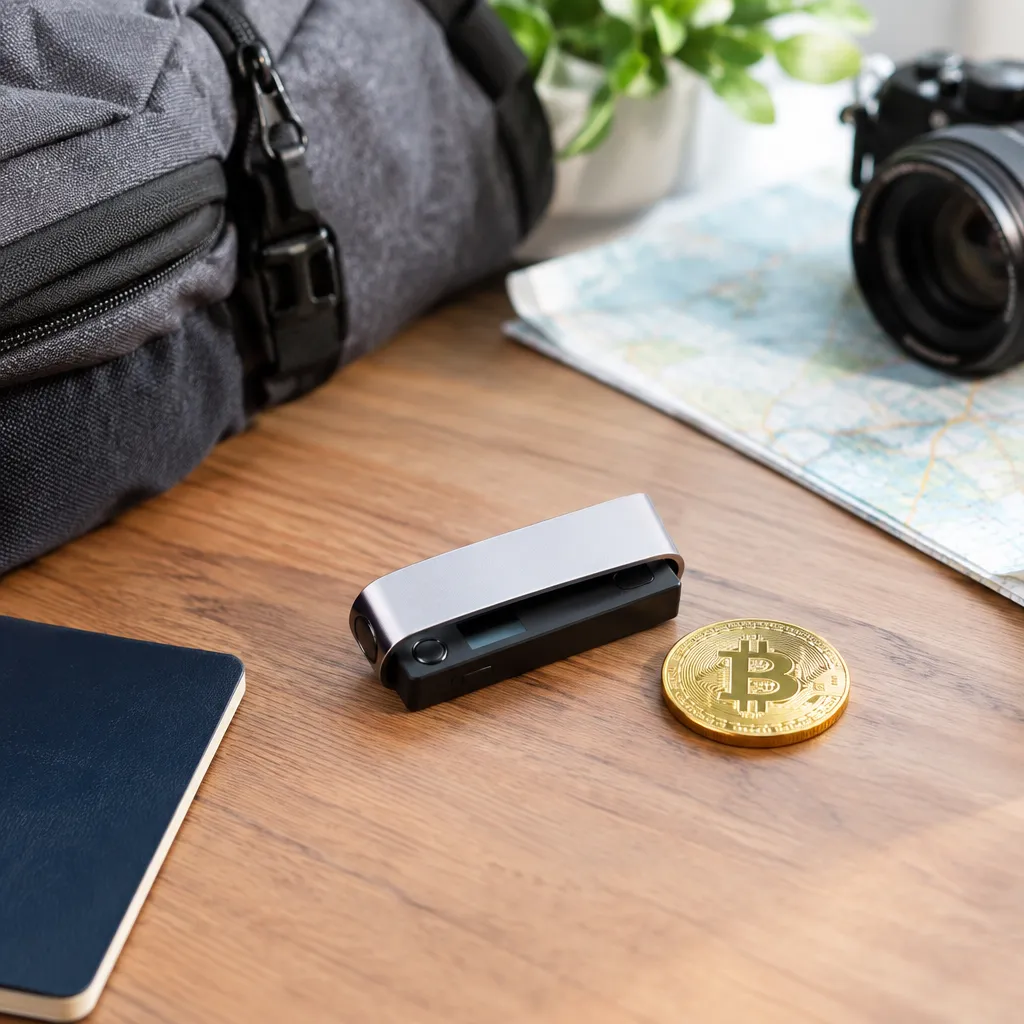
4. Bitcoin-focused wallets for simpler asset support
A Bitcoin-focused wallet may be easier to navigate if Bitcoin is the only asset you plan to manage. The tradeoff is limited support for other cryptocurrencies. Before choosing one, review its backup and recovery steps, security controls, and whether it supports the Bitcoin features you intend to use. Confirm compatibility on the wallet’s current documentation.
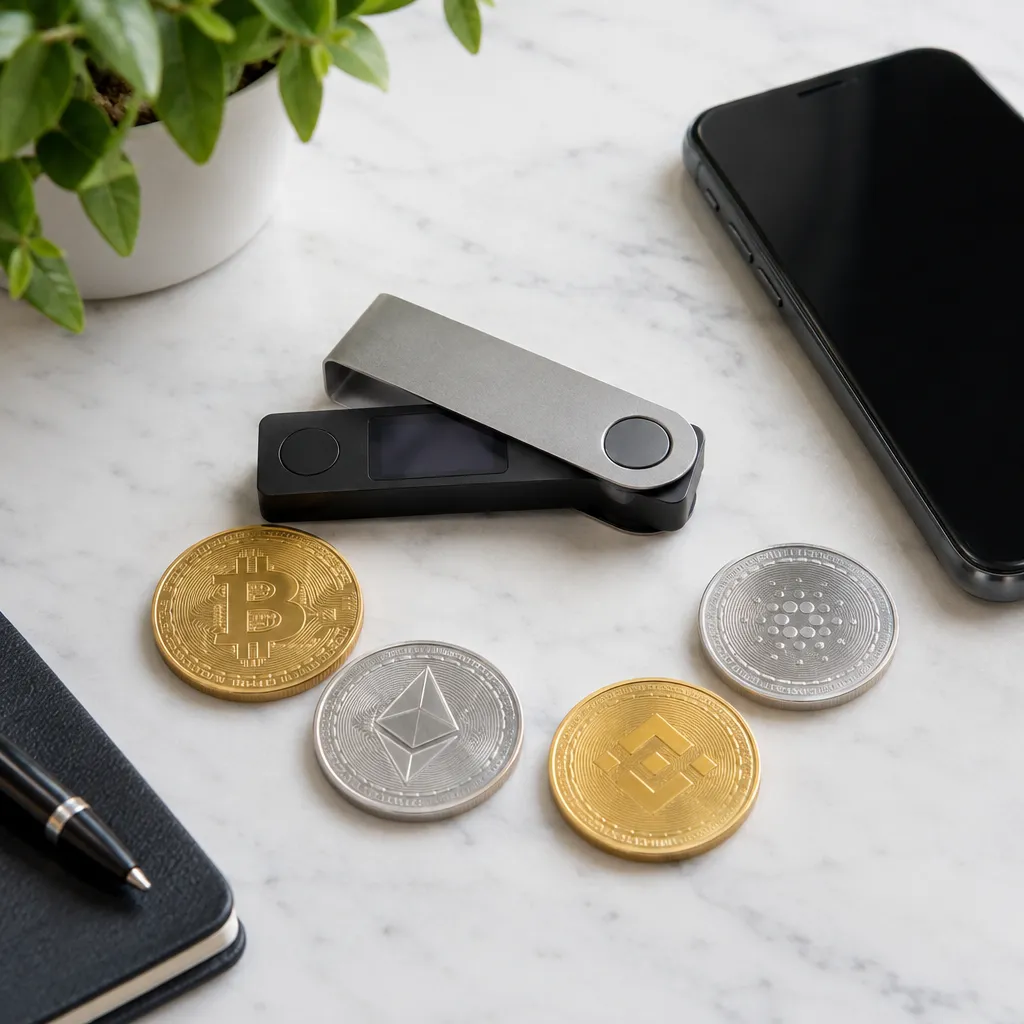
5. Multi-chain wallets for holding varied cryptocurrencies
A multi-chain wallet can bring assets on different networks into one interface, but “supports an asset” can mean different things. Confirm the exact token and network combination before transferring; the same token name may exist on multiple networks. Also review custody, recovery, and any service fees for built-in swaps or other features.

6. Custodial wallets for less hands-on key management
With a custodial wallet, a provider controls the private keys and manages access for you. Account recovery may be more familiar than restoring a self-custody wallet, but you depend on the provider’s account security, withdrawal rules, and supported assets. Check its current terms and security options. A wallet account is not the same as direct control of the keys.
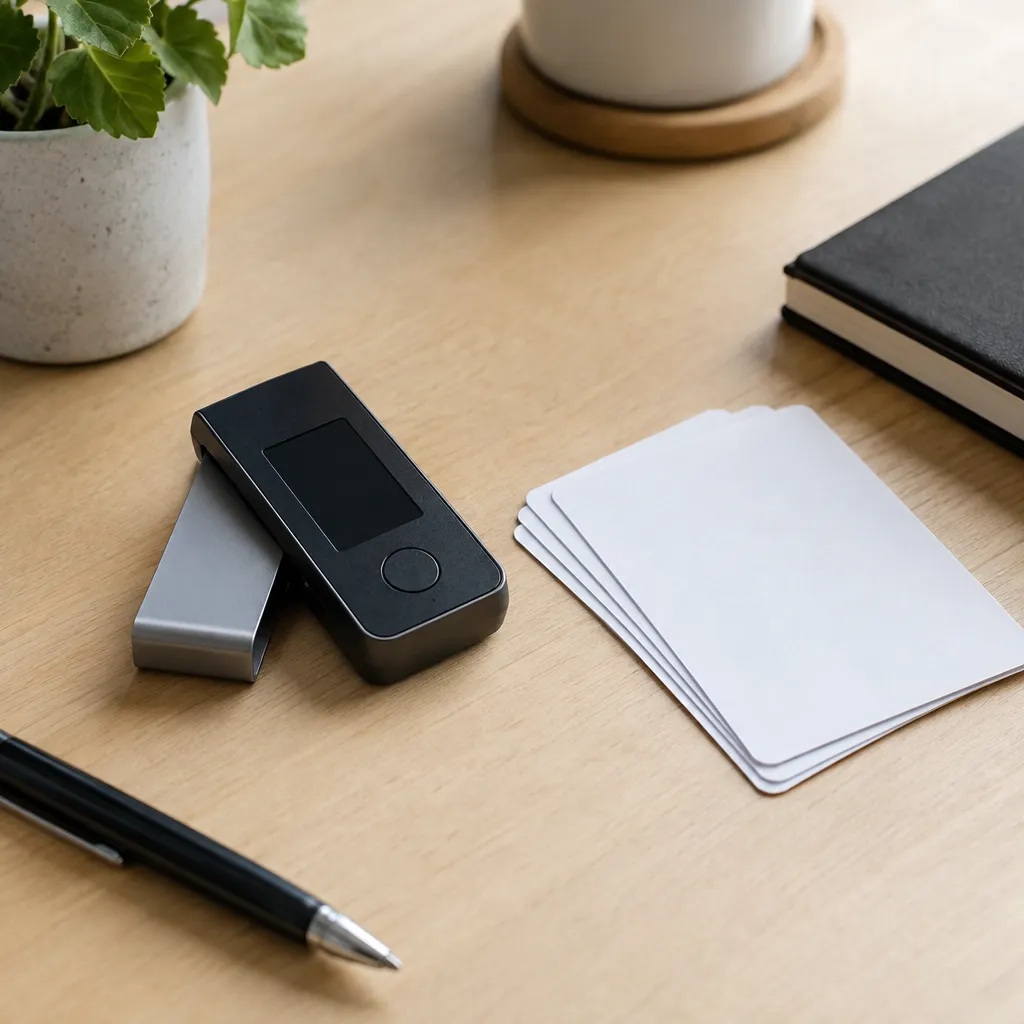
7. Recovery-focused wallets for backup and access planning
A recovery-focused choice prioritizes a clear, workable plan for restoring access. In self-custody, a seed phrase is a set of words that can restore the wallet’s keys; anyone who obtains it may be able to control the assets. Read the recovery instructions before relying on a wallet, and understand who can help—or cannot help—if access is lost.
Crypto Wallet FAQs
What is the most trusted crypto wallet?
There is no single wallet that is most trusted for everyone. Compare who controls the keys, the recovery process, security options, supported assets, and the provider’s current documentation.
Which crypto wallet is mostly used in the USA?
There is no reliable universal answer without current usage data and a clear definition of “wallet.” Choose by custody, supported assets, recovery, and usability rather than assumed popularity.
What is the best crypto wallet for XRP?
The best fit is a wallet whose current documentation explicitly supports XRP and explains its recovery process and any network-specific requirements. Confirm compatibility before transferring.
Can I lose my XRP in a cold wallet?
Yes. A cold wallet does not prevent loss from a misplaced recovery phrase, damaged or lost backups, user error, or a compromised signing process. Follow the wallet’s recovery instructions and verify each transaction.
Can a crypto wallet be hacked?
Yes. Wallet-related losses can result from compromised devices or accounts, exposed recovery phrases, malicious software, or deceptive transaction approvals. Use strong device security and never share your seed phrase.
Is cryptocurrency stored in a wallet insured?
A wallet does not automatically make cryptocurrency insured. Coverage depends on the provider, account arrangement, and applicable terms; read the current disclosures rather than assuming ordinary deposit protections apply.
Are crypto wallets free to use?
Some wallets may be free to download or create, but transactions and optional services can involve fees. Check the wallet’s fee disclosures and the network fee shown before confirming a transaction.
Can I use more than one crypto wallet?
Yes. Some people use separate wallets for different assets or activities, but each adds recovery information to protect and keep organized. Make sure you can identify the correct wallet and backup.
Match your wallet choice to your assets and risk tolerance
Before choosing, compare custody, asset and network support, recovery steps, security controls, ease of use, and current fees. If you are moving assets, verify the destination address and network, then consider sending a small test transaction first. A qualified financial professional can help with questions about your own financial circumstances.







[…] let you connect to a dapp and approve an action. To understand wallet types and tradeoffs, read our best crypto wallets […]
[…] information; choose a custodial wallet only if you accept that a provider controls access. Our beginner’s wallet comparison expands on the criteria. Below, compare the trade-offs, check support for your assets, and follow a […]