

1. Custodial wallets for simpler account-based access
A custodial wallet is an account where a provider controls the private keys—the secret credentials used to authorize transactions. It can suit someone who values familiar sign-in and provider recovery options. In plain terms, when asking what a crypto wallet is, this is the account-based version: convenient access, but the provider has a role in safeguarding and granting access to the assets.
Before choosing one, check how account recovery works, what withdrawal controls apply, and what happens if access to the provider’s service is disrupted. For a calm starting point on crypto basics, explore our beginner crypto guides.
2. Self-custody software wallets for everyday use
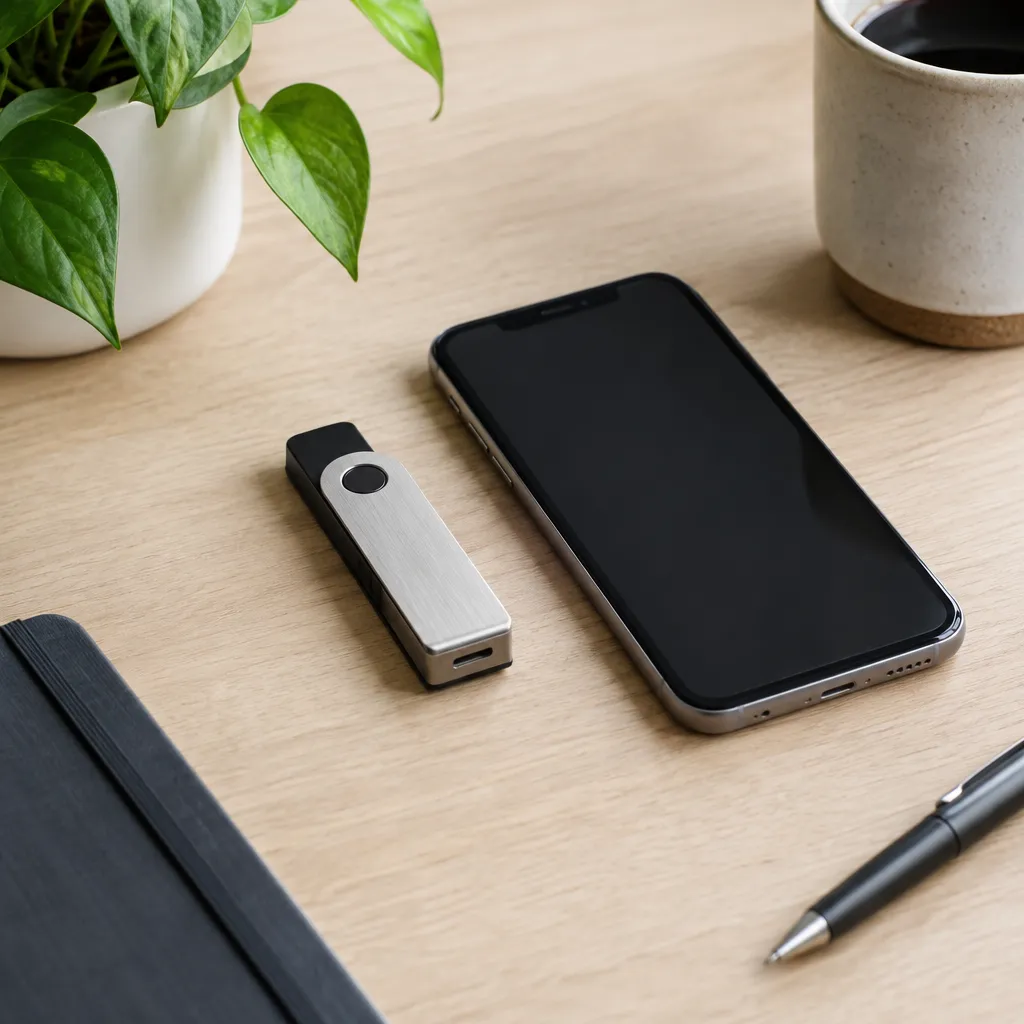
A self-custody wallet gives you control of the keys, often through a mobile or desktop app. That control also makes recovery your responsibility: a seed phrase, also called a recovery phrase, is a set of words that can restore wallet access. Anyone who obtains it may be able to control the wallet, so keep it private and offline.
Software wallets stay connected to internet-enabled devices, which can make routine use straightforward but exposes access to device and online risks. To understand the underlying system before using one, read how crypto works.
3. Browser wallets for connecting to Web3 apps
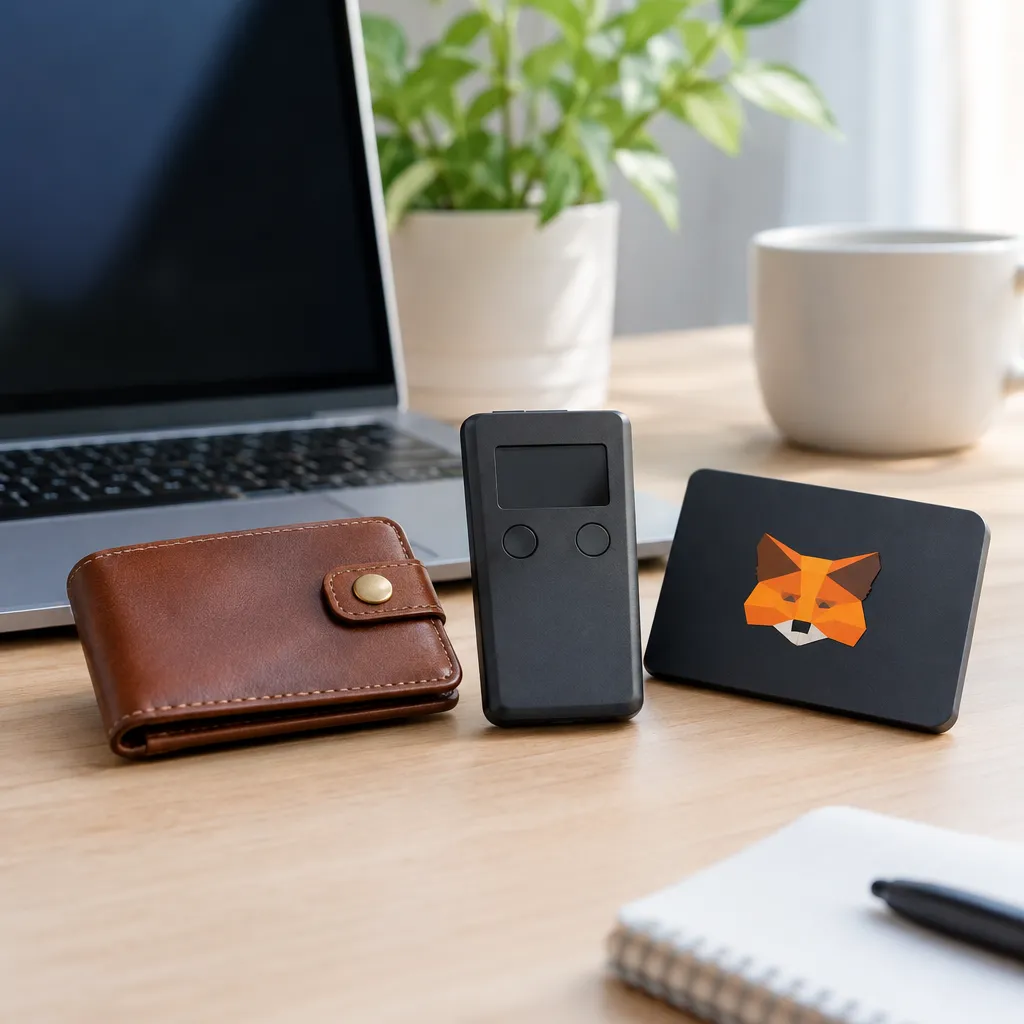
A browser wallet can connect to Web3 apps, including decentralized finance (DeFi) services. DeFi refers to blockchain-based financial applications that operate through smart contracts. A connection alone may not move assets, but a transaction approval or token permission can authorize actions—so read each request and check which account and network are involved.
Before confirming, verify the app’s web address, review the requested permissions, and avoid approving anything you do not understand. A beginner overview of crypto currency can help put these interactions in context.

4. Hardware wallets for keeping keys offline
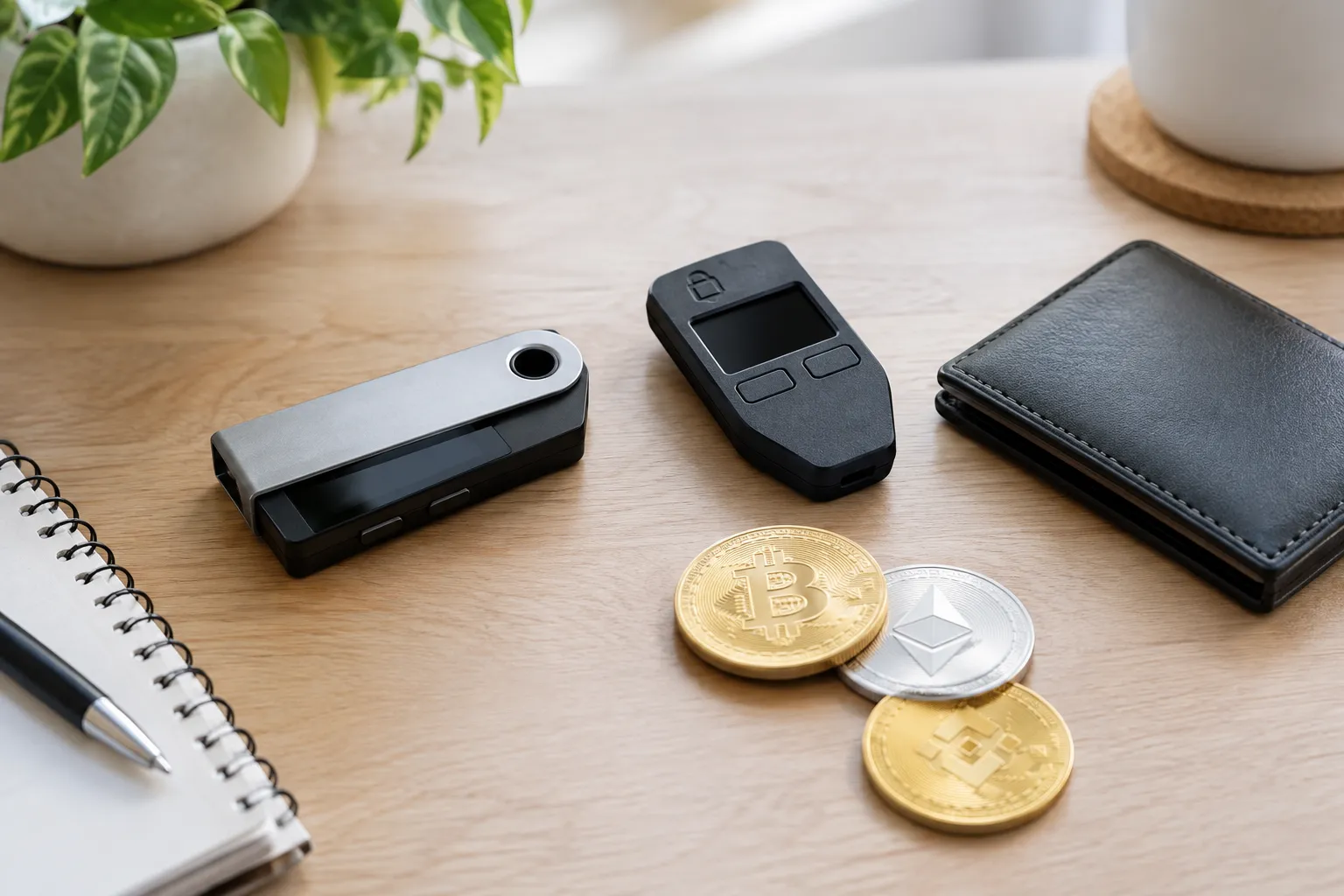
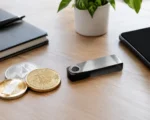
A hardware wallet keeps private keys offline and uses them to sign transactions, while the transaction itself can be prepared on a connected device. This can reduce exposure of keys to online threats, but it does not remove the need to verify transaction details or protect the recovery phrase.
Check which assets and networks the wallet supports, how recovery works, and whether the setup instructions come from the manufacturer. Buy only through a source you can verify, and follow the manufacturer’s guidance for initializing the device.

5. Multisignature wallets for shared control
A multisignature wallet requires approval from more than one key before a transaction can proceed. It may fit shared funds or situations where a single key should not control transfers alone. The tradeoff is added setup and coordination: participants need clear roles, and the recovery plan must account for unavailable or lost keys.
Compare the required number of approvals, how keys are stored, and how the wallet can be recovered before relying on it. For decisions involving significant assets or a specific financial situation, consult a qualified professional.
Crypto Wallet FAQs
Is money safe in a crypto wallet?
A wallet’s safety depends on who controls its keys, how they are protected, and whether recovery information stays secure. Crypto transactions can be difficult or impossible to reverse, so verify addresses and approvals before sending.
What are the best hot crypto wallets?
A hot wallet is connected to the internet, typically as a mobile, desktop, or browser wallet. Choose based on supported networks, recovery options, security controls, and the apps you need—not a universal ranking.
What is the most trusted crypto wallet?
There is no single wallet that is most trusted for every user or purpose. Assess key control, security documentation, recovery procedures, supported assets, and whether the wallet’s design fits your needs.
Can the IRS see your crypto wallet?
A wallet address does not necessarily display your identity by itself, but activity may be linked to a person through records or other information. Do not treat wallet use as a way to avoid tax obligations; consult a qualified tax professional about your circumstances.
What happens if I lose my crypto wallet recovery phrase?
If you lose the phrase, recovery may depend on whether you still have access to the wallet or its provider-supported recovery method. For self-custody wallets, losing both the phrase and access can mean losing access to the assets.
Can I use one crypto wallet for different cryptocurrencies?
Some wallets support multiple cryptocurrencies, while others work with specific assets, blockchains, or networks. Check compatibility before sending: the receiving wallet and the sending service must support the same asset and network.
Do crypto wallets charge fees?
Wallet software may not charge a fee simply to hold assets, but transactions can involve network fees, and some providers may charge for particular services. Review the fee details shown before confirming a transaction.
How do I transfer cryptocurrency to a wallet?
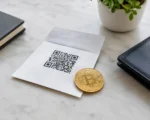
Copy the receiving address from your wallet, confirm the asset and network match the sender’s options, and check the address carefully before submitting. For a new destination, consider a small test transfer if appropriate, then verify receipt.
Recommended next steps
Start by deciding whether provider-assisted access or personal control of keys fits your needs. Then compare recovery, supported networks, and security practices before setting up a wallet. If you choose self-custody, secure the recovery phrase offline and never share it or enter it in response to an unsolicited request.






[…] A mobile wallet can make regular sending and receiving convenient, but phone access also makes device security and recovery important. Check whether the wallet is custodial, which assets and networks it supports, how you restore access, and what transaction fees may apply. For a fuller explanation of wallet categories and tradeoffs, see our guide to crypto wallet types. […]
[…] The steps below describe a common pattern, but the specific process varies by network and wallet. For a closer look at the tools involved, see our guide to crypto wallets. […]
[…] With custodial crypto wallets, a provider holds and manages the private keys, while you access your account through its service. This differs from self-custody, where you control the keys yourself. The distinction matters: the provider’s account rules and security practices affect access. For more on wallet types and tradeoffs, see our guide to crypto wallets. […]
[…] you are still learning what a crypto wallet does, start with our broader guide to crypto wallets and their types, uses, and safety basics. You can also explore our crypto learning guides for more beginner-friendly […]
[…] a broader overview of wallet types and their roles, see our guide to crypto wallet types and safety basics. Our crypto learning guides also cover foundational concepts that can help make wallet choices less […]