

1. Learn the basic terms behind cryptocurrency
Cryptocurrency, or crypto, is a digital asset that can be transferred or recorded using a blockchain. A blockchain is a shared digital record maintained by a network of computers. Bitcoin is a cryptocurrency; Ethereum is a blockchain network that also supports its own cryptocurrency, ether.
A coin is generally associated with its own blockchain, while a token is created on an existing one. These terms can vary in everyday use. For plain-language starting points, explore our beginner crypto guides.

2. Choose what you want to do with crypto
People engage with crypto in different ways: learning how networks work, making a payment where accepted, holding digital assets, or exploring decentralized finance (DeFi). DeFi refers to financial services built using blockchain-based software, rather than relying on a traditional intermediary in the same way.
These activities have different practical and financial risks. Reading about Bitcoin is not the same as buying it, and connecting a wallet to a DeFi app is not the same as simply holding an asset. For a foundational overview, start with crypto explained.

3. Explore crypto without buying anything
You can build familiarity before handling real assets. Read beginner material, follow a sample transaction in an educational demo, or use a simulation if one is available. A simulation can help explain how a transaction is entered and confirmed, but it cannot reproduce every condition or risk of using a live network.
As you learn, check whether an explanation distinguishes cryptocurrency from blockchain technology and describes risks as well as potential uses. Our guide to crypto currency can help clarify the basics before you decide what to explore next.

4. Set up a security-first approach
Before creating an account or installing a wallet, slow down and check that you are using the intended service. Scammers may imitate websites, apps, support accounts, or messages to trick people into sharing login details or recovery information.
Use a unique password and enable multifactor authentication when the service offers it. Do not share a seed phrase—the set of words that can restore access to some wallets—or private keys. Legitimate support should not need them to help with an account.
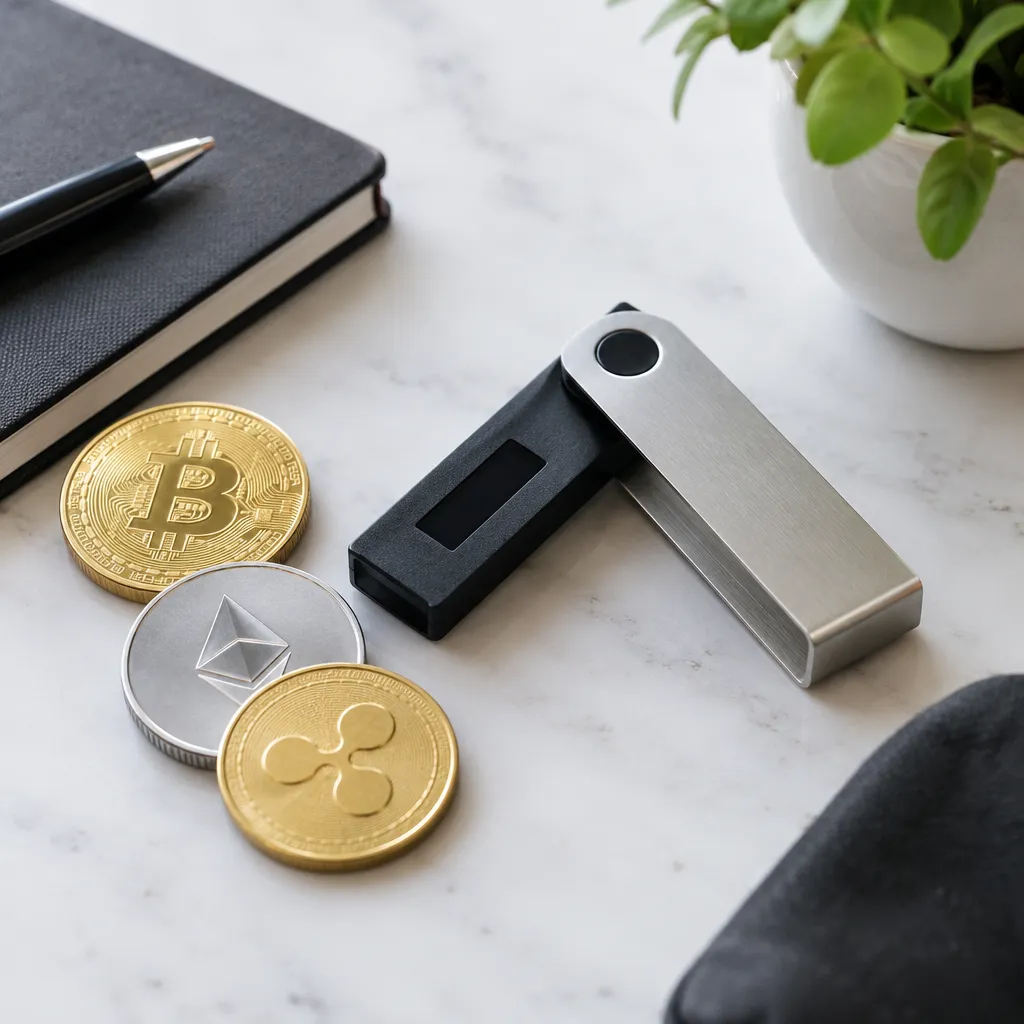
5. Understand wallets and where assets are held
A crypto wallet manages the keys used to access and authorize activity involving digital assets. The assets themselves are recorded on a blockchain; the wallet does not work like a physical purse containing coins. A wallet address is a destination for receiving assets, while a private key or seed phrase can grant control over them.
With a custodial service, a company holds or manages the keys on your behalf. With self-custody, you control the keys yourself and are responsible for protecting them. Check which arrangement a service uses, and learn how recovery works before transferring anything.

6. Know the risks before committing money
Crypto prices can change sharply, and you may lose some or all of the money you put in. Transactions may involve network or service fees, and mistakes such as sending an asset to the wrong address can be difficult or impossible to undo. Scams, account compromise, and service disruptions are additional concerns.
Do not use money needed for essential expenses or borrowed funds to experiment. Before making a financial decision, consider consulting a qualified professional who understands your circumstances.

7. Make a careful plan for your next learning step
Choose one subject to understand next: how a specific blockchain works, how wallet recovery is handled, or how to verify a transaction’s network and destination. Keep notes on unfamiliar terms and look for explanations that make clear what varies between platforms.
If you later choose to use a service, review its fees, security practices, supported networks, and account requirements directly before taking action. Learning step by step is a reasonable way to be part of crypto without rushing into a decision.
Cryptocurrency beginner FAQs
Is $100 enough to start crypto?
You may be able to make a small crypto purchase with $100, depending on the service’s minimums and fees, but that does not make it suitable for your finances. You can also learn without buying anything.
Is cryptocurrency the same thing as blockchain?
No. Cryptocurrency is a type of digital asset; a blockchain is a system for recording data across a network. Some blockchains record cryptocurrency transactions and support other applications.
Do I need coding skills to understand cryptocurrency?
No. You can learn the core ideas, wallet basics, and common risks without coding. Programming knowledge is useful for building or examining blockchain applications, but it is not required for beginner-level understanding.
Can cryptocurrency be converted back into traditional money?
Often, a service may let users sell cryptocurrency for traditional money, subject to its supported options and requirements. Availability, fees, processing times, and withdrawal methods vary, so check the service’s terms.
Do crypto transactions usually involve fees?
Many transactions or service actions can involve fees, but the amount and type depend on the network and platform. Review the fee details before confirming a transaction.
Can a crypto transaction be reversed after it is sent?
A confirmed blockchain transaction generally cannot be reversed by a central authority. Check the recipient address, asset, and network carefully before sending.
Are crypto prices the same on every platform?
Not necessarily. Prices can differ between platforms because of market activity, fees, and how each service displays quotes. Review the final amount and any charges before acting.
Do I need to share personal information to use a crypto service?
Some services require identity or account information, while requirements vary by service and activity. Read the privacy and account terms before signing up, and provide information only through the official service.
Recommended next steps
Continue with one beginner topic at a time: cryptocurrency basics, blockchain technology, Bitcoin, Ethereum, or wallet security. Before using any platform, make sure you understand what it does, how access is protected, what fees may apply, and what could go wrong.