
1. Start with a transaction request
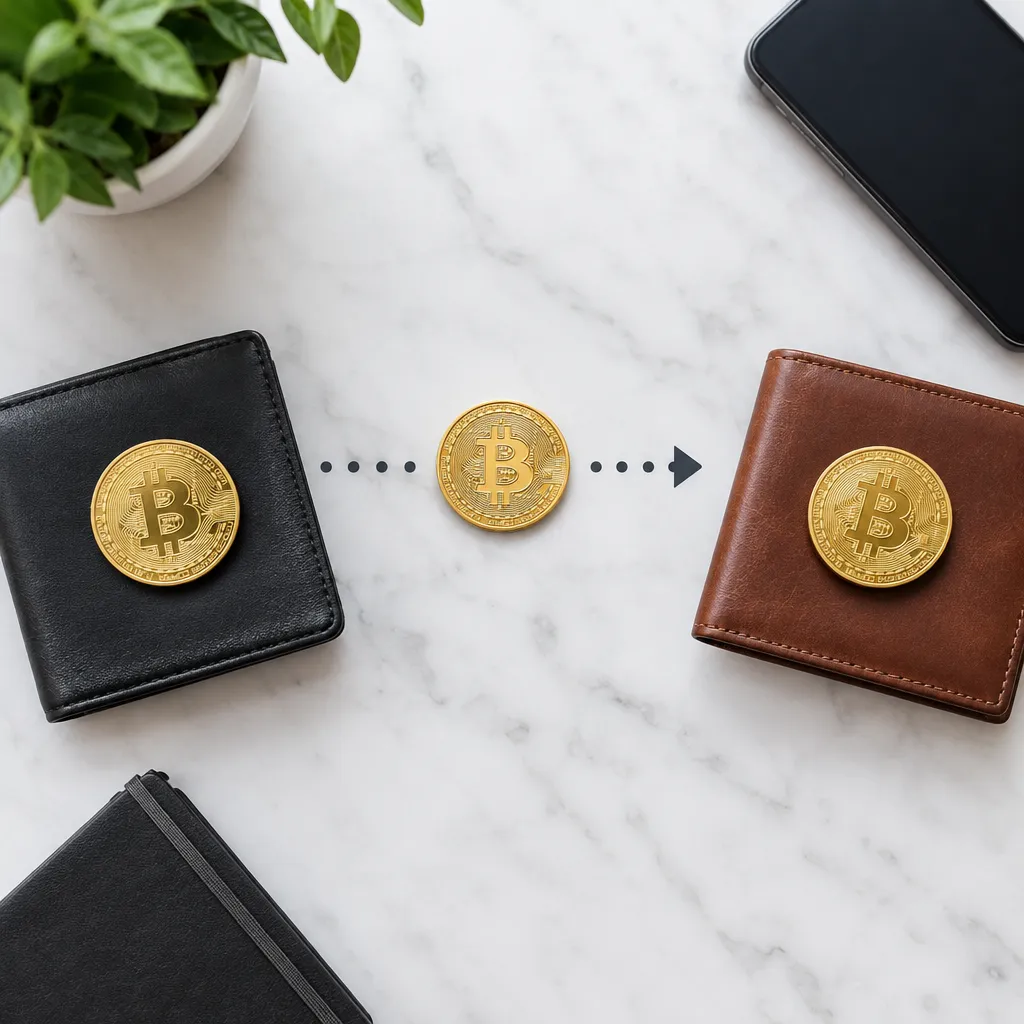
A blockchain transaction begins when a user asks a wallet to send a specific digital asset to a recipient’s address. This simple example shows blockchain technology in action: the wallet prepares a request for the relevant network.
The sender enters the recipient’s address and amount, then checks both before proceeding. A wallet helps create and authorize a transaction; it is not the blockchain ledger itself. For more foundational explanations, browse our beginner blockchain guides.
2. Check the transaction’s signature and format
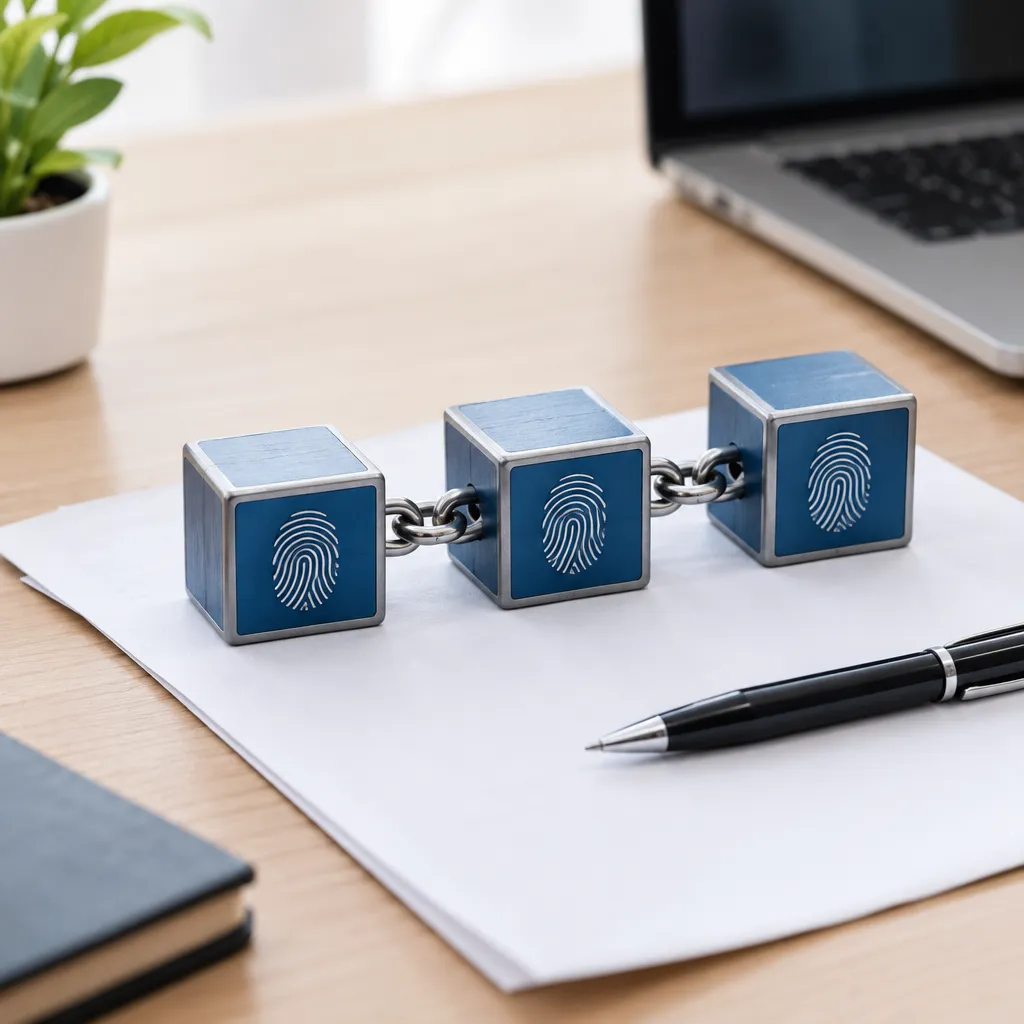
Before a transaction can be considered, it must follow the network’s required format and carry a valid digital signature. That signature shows the request was authorized using the sender’s private key without revealing that key.
The network’s rules differ by blockchain. Ethereum documentation explains how Ethereum transactions are initiated, signed, and processed in its transaction guide. Never share a private key or seed phrase to “verify” a transaction; those credentials can give someone control of assets.

3. Broadcast the request to network nodes
After signing, a wallet or connected service sends the transaction to the network, where nodes can receive and relay it. Nodes are computers that help maintain or check a blockchain, though their roles vary by network.
The transaction may pass through several nodes before it is included in a block. The specific route and handling depend on the blockchain’s design, so a pending status does not by itself mean the transaction has been recorded.

4. Validate the transaction against network rules
Nodes check whether a transaction meets the network’s rules before accepting it for possible inclusion in a block. Depending on the chain, checks can include whether the signature is valid, the transaction data is correctly formed, and the sender has the required funds.
A transaction that fails a rule may be rejected or remain unprocessed. Do not assume that a wallet’s “sent” message means the network has confirmed the transaction; check its status on the correct blockchain.

5. Group valid transactions into a block
A block collects eligible transactions and connects them to the blockchain’s existing history. In many designs, it includes a reference to an earlier block, helping link the records into a chronological chain.
A block is not simply a database page that any user can edit. Its transactions and links are handled according to the network’s protocol. The NIST overview of blockchain technology explains the roles of distributed consensus, cryptography, and shared ledgers.

6. Use consensus to add the block to the chain
Consensus is the process a blockchain uses to agree on which valid block should become part of its shared record. The method varies by network, so no single explanation covers every chain.
Some blockchains use proof of work; others use different consensus mechanisms. The network’s participants follow its protocol to determine whether a proposed block is accepted. Consensus does not mean every computer independently creates an identical transaction history at the same moment; the rules govern how the shared record is updated.

7. Track confirmations and verify the shared record
Check the transaction on the relevant blockchain using its transaction identifier or a network explorer; a confirmation means the transaction has been included in a block. Later blocks may add confirmations, but what counts as finality varies by chain.
Compare the transaction’s status, recipient address, and amount with the details you intended. A wallet display and a blockchain record can show different stages of processing. For personal financial or tax decisions related to digital assets, consult a qualified professional.
Blockchain How-It-Works FAQ
How does blockchain consensus work?
Consensus is the network’s rule-governed method for agreeing on valid blocks and updating the shared ledger. The mechanism differs across blockchains, so check the documentation for the specific network.
How to explain blockchain in simple terms?
Think of a blockchain as a shared record that network computers update under agreed rules. Transactions are checked, grouped into blocks, and linked to earlier records.
Follow a transaction on the blockchain you use
Apply the steps to one transaction by checking its details and status on the correct network. If you want more background before tracing it, read what a blockchain is in crypto.
- Identify the blockchain network named in the wallet or transaction details.
- Copy the transaction identifier from the wallet’s activity record.
- Open an explorer for that same network and search the identifier.
- Compare the displayed recipient and amount with the intended transaction.
- Check whether the record is pending, included in a block, or has later confirmations.
- Review the network’s own guidance if the status or confirmation details are unclear.